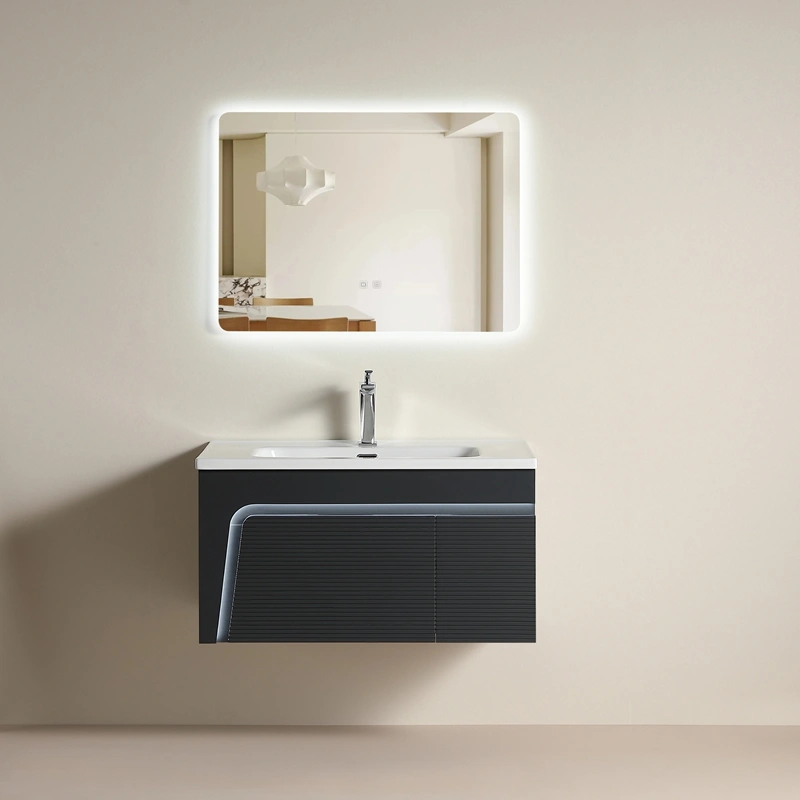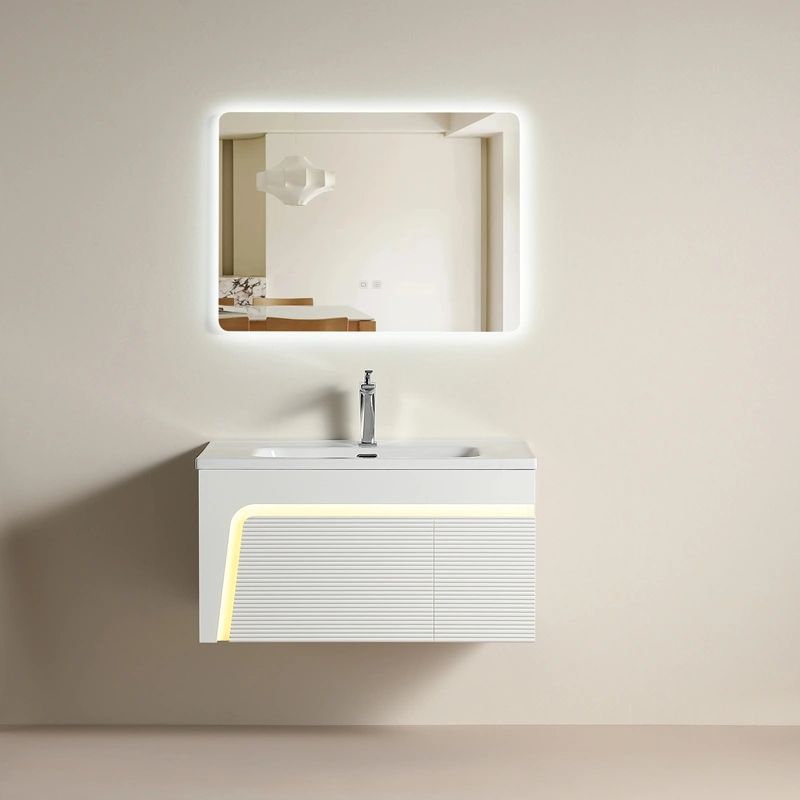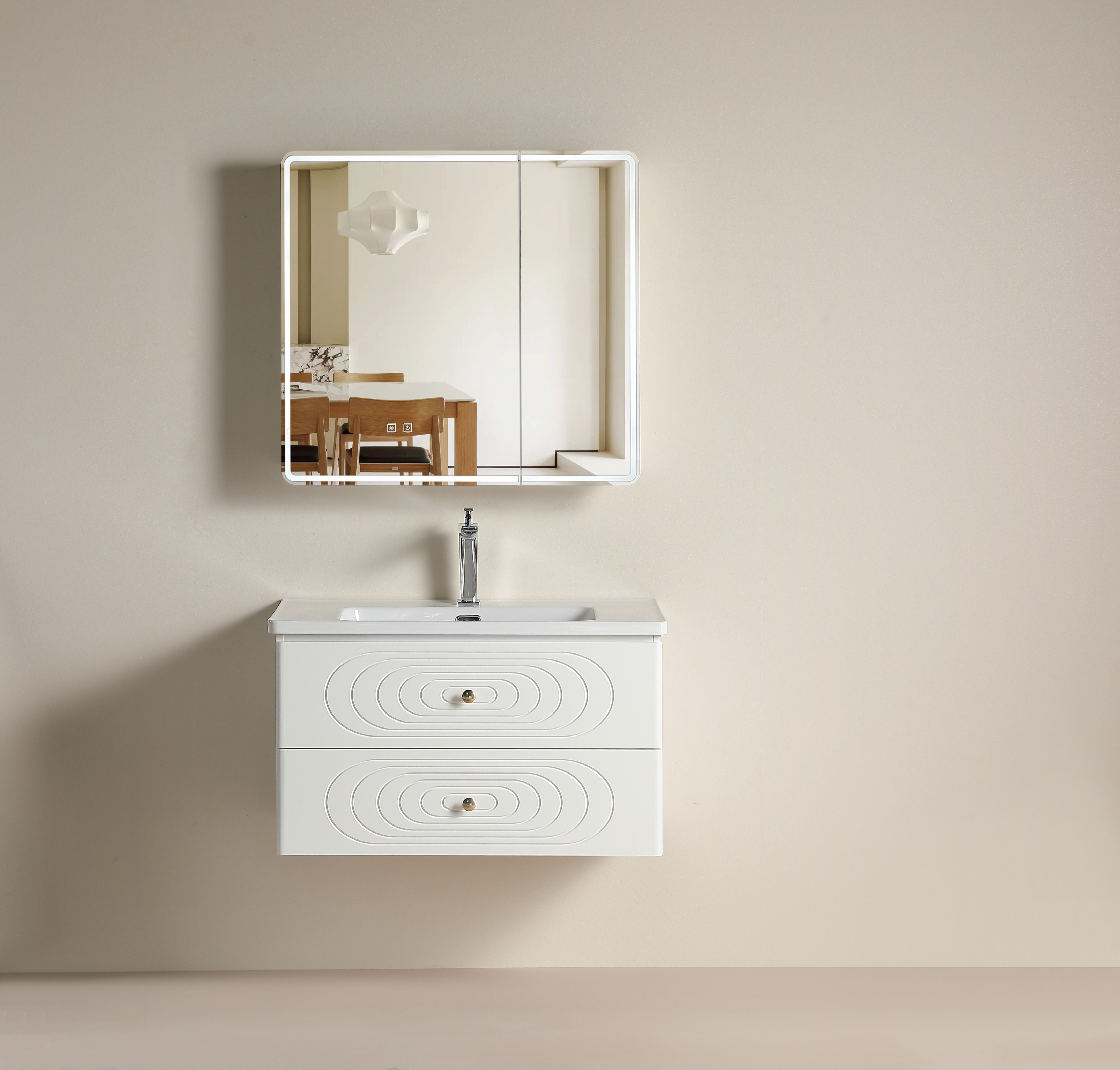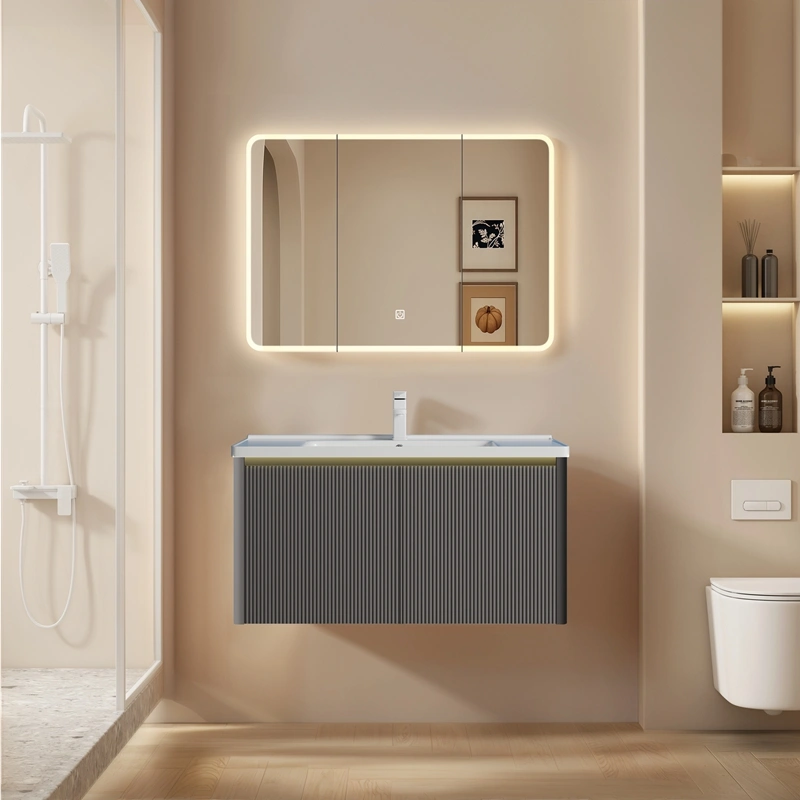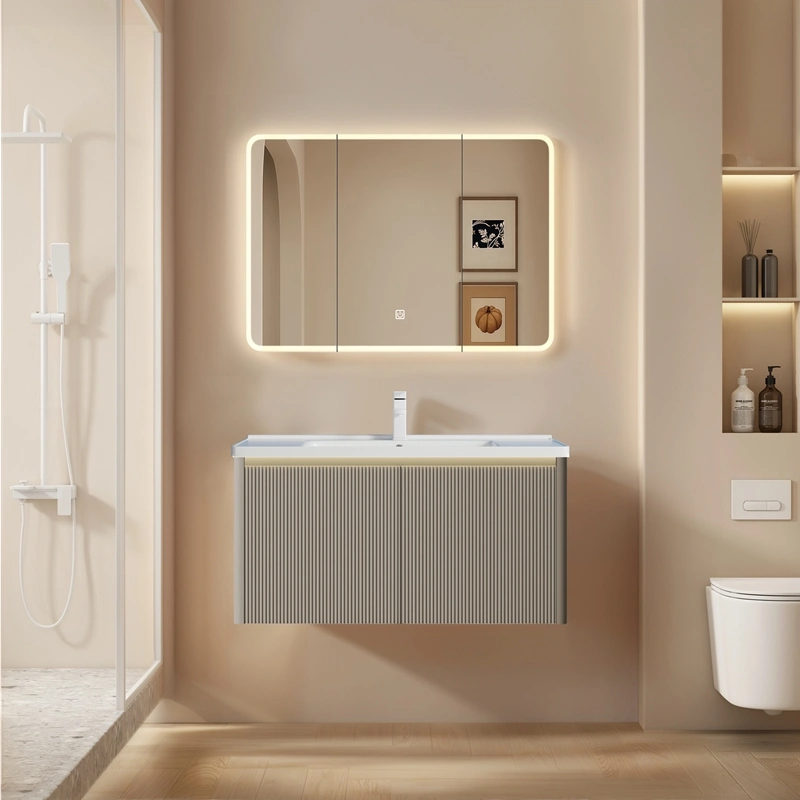







Lorsqu'il s'agit de choisir des meubles de salle de bains pour des hôtels, des appartements, des immeubles commerciaux ou des programmes immobiliers résidentiels, le choix des matériaux est l'une des décisions les plus importantes que doivent prendre les acheteurs. Si le prix d'achat initial influence souvent les décisions d'achat, les chefs de projet et les distributeurs expérimentés savent que le coût réel d'un meuble de salle de bains va bien au-delà de la simple commande. Parmi les options les plus populaires aujourd'hui, meubles de salle de bains en acier inoxydable et Meubles de salle de bains en contreplaqué Chacune présente des avantages propres. Le choix approprié dépend des exigences de votre projet, du marché cible, des conditions environnementales et de vos attentes en matière d'entretien à long terme. SEGA propose un guide qui compare ces deux matériaux du point de vue d'un acheteur en gros afin d'aider les acheteurs B2B à prendre une décision plus éclairée.
Qu'est-ce qu'un meuble-lavabo en acier inoxydable ?
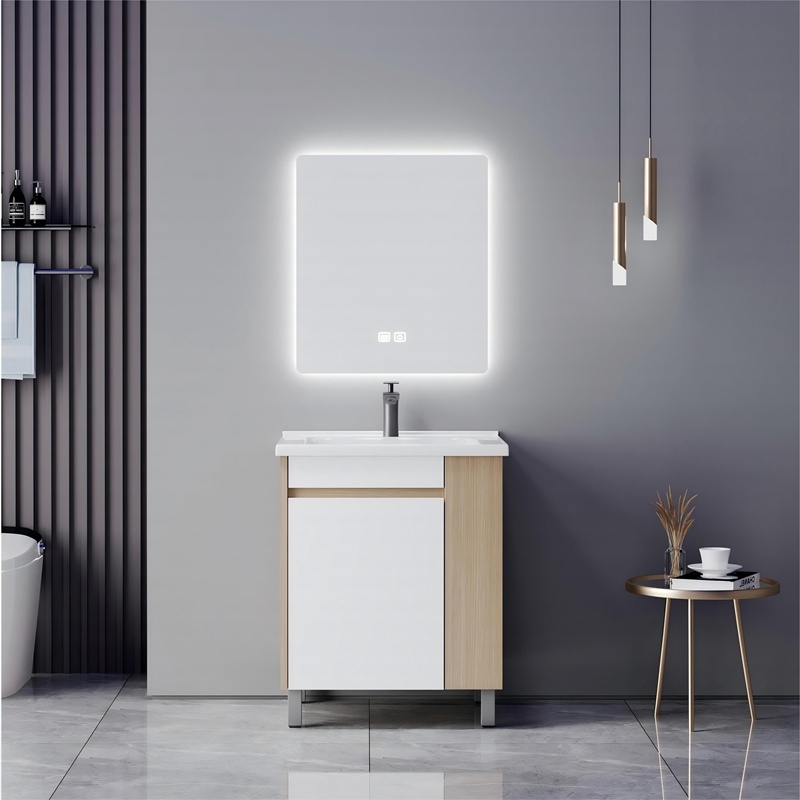
A meuble de salle de bains en acier inoxydable utilise l'acier inoxydable comme matériau principal pour la structure et les surfaces des meubles. Il est largement reconnu pour sa durabilité, sa résistance à l'humidité et son aspect moderne.
Parmi les principaux avantages, on peut citer :
- Excellente résistance à l'eau, à l'humidité et à la corrosion
- Grande stabilité structurelle
- Longue durée de vie
- Nettoyage et entretien faciles
- Convient aux environnements à forte fréquentation
Grâce à ces caractéristiques, les meubles de salle de bains en acier inoxydable sont de plus en plus utilisés dans les hôtels, les bâtiments commerciaux, les complexes immobiliers en bord de mer et les projets résidentiels haut de gamme.
Qu'est-ce qu'un meuble-lavabo en contreplaqué ?
A meuble de salle de bains en contreplaqué est fabriqué à partir de plusieurs couches de placage de bois collées entre elles sous pression. Comparé au bois massif, le contreplaqué offre une meilleure stabilité dimensionnelle et un meilleur rapport qualité-prix.
Parmi les avantages courants, on peut citer :
- Des prix compétitifs
- Large choix de finitions et de styles
- Construction relativement légère
- Options de personnalisation flexibles
Les meubles de salle de bains en contreplaqué restent un choix très prisé pour les programmes immobiliers résidentiels, les projets d'appartements et les marchés où le budget est un facteur déterminant.
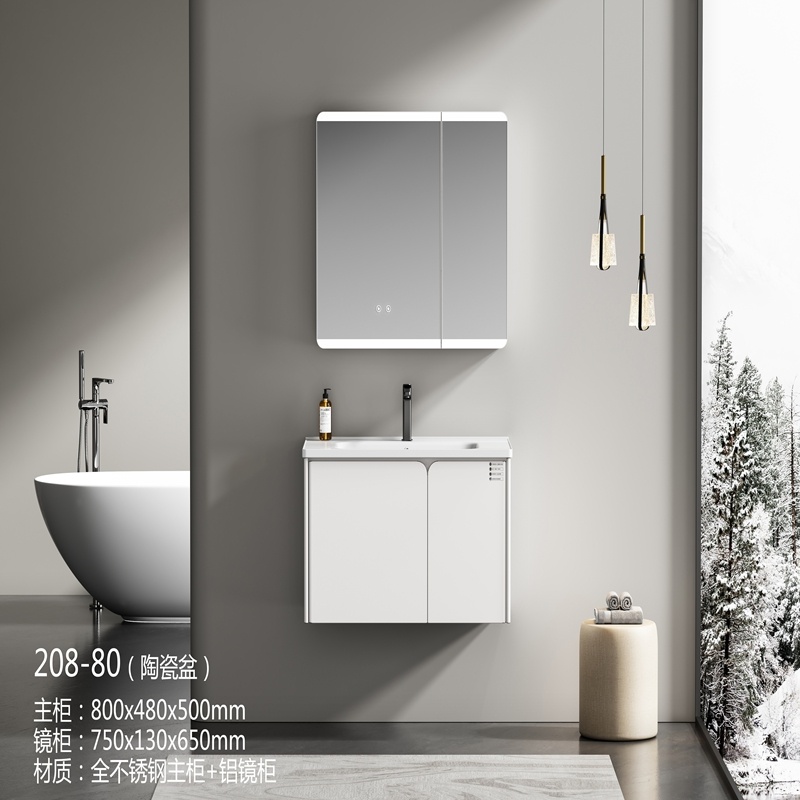
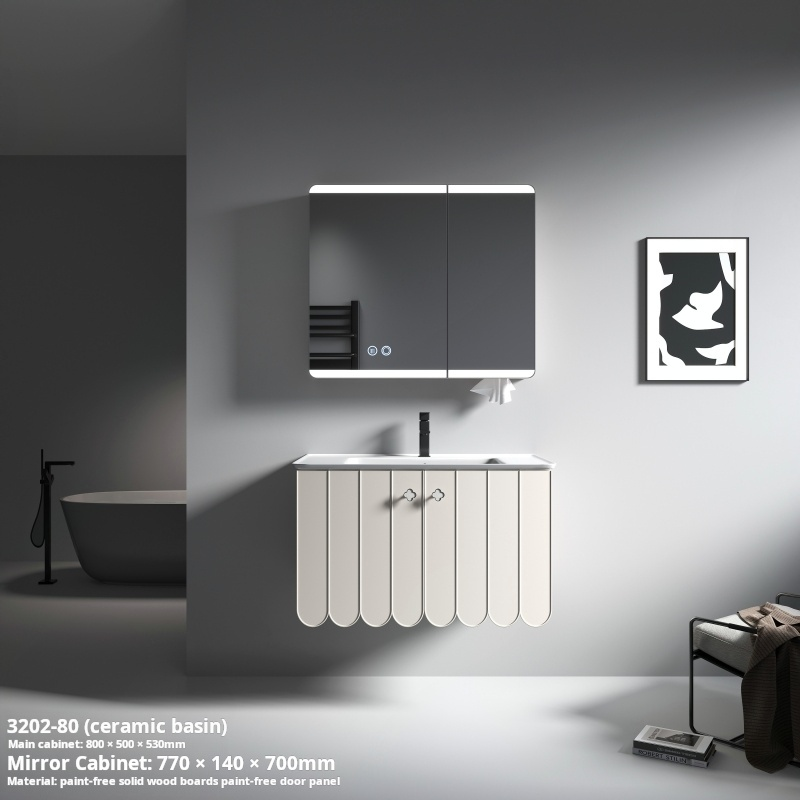
Meuble de salle de bains en acier inoxydable ou en contreplaqué : une comparaison côte à côte
Pour les acheteurs en gros, la valeur à long terme ne se limite pas au coût des matériaux. Il convient de prendre en compte des facteurs tels que la durabilité, l'entretien, le coût du cycle de vie et l'adéquation au projet.
| Facteur de comparaison | Meuble-lavabo en acier inoxydable | Meuble-lavabo en contreplaqué |
|---|---|---|
| Résistance à l'eau et à l'humidité | Excellent | C'est bien, mais ce matériau est sensible à une exposition prolongée à l'humidité |
| Durabilité | Très élevé | Modéré à élevé |
| Résistance au gauchissement | Excellent | Peut se déformer avec le temps dans des environnements humides |
| Exigences en matière d'entretien | Faible | Modéré |
| Durée de vie prévue | 15 à 20 ans et plus | 8 à 15 ans, selon les conditions |
| Investissement initial | Plus élevé | Inférieur |
| Retour sur investissement à long terme | Plus élevé | Modéré |
| Meilleure application | Hôtels, projets commerciaux, zones côtières | Appartements, projets résidentiels, programmes immobiliers à prix abordable |
Durabilité et durée de vie : la différence la plus importante
Dans le cadre de projets de salles de bains à usage commercial et d'aménagements hôteliers, la durabilité est souvent le facteur déterminant.
L'acier inoxydable résiste naturellement à l'humidité, à la corrosion et à l'usure quotidienne. Contrairement aux matériaux à base de bois, il n'absorbe pas l'eau et est bien moins susceptible de gonfler, de se fissurer ou de se détériorer dans des environnements humides. Cet avantage est particulièrement important pour les salles de bains d'hôtels, les complexes touristiques, les propriétés en bord de mer, les toilettes publiques et les espaces commerciaux très fréquentés. A Armoire de salle de bains en acier inoxydable de bonne facture peut conserver son intégrité structurelle et son aspect pendant de nombreuses années avec un entretien minimal.
Armoires de toilette en contreplaqué, bien qu'elles soient résistantes pour de nombreuses applications résidentielles, restent sensibles à une exposition prolongée à l'humidité. Même avec des finitions de haute qualité et un scellement des bords, les infiltrations d'eau peuvent finir par nuire à leurs performances si l'entretien est négligé.
Conseil d'achat : pour les projets exigeant une longue durée de vie et des coûts de remplacement réduits au minimum, l'acier inoxydable offre généralement un meilleur rapport qualité-prix à long terme.
Comparaison des coûts : au-delà du prix d'achat
De nombreux acheteurs B2B se concentrent principalement sur le prix d'achat lorsqu'ils évaluent leurs fournisseurs. Or, pour mener à bien un projet d'approvisionnement, il est nécessaire de prendre en compte l'ensemble du cycle de vie du produit.
Les meubles de salle de bains en contreplaqué présentent généralement un coût initial moins élevé, ce qui les rend particulièrement intéressants pour :
- Projets immobiliers à prix abordable
- Grands projets immobiliers résidentiels
- Programmes de logement pour les primo-accédants
Toutefois, les équipes chargées des achats doivent également tenir compte des frais d'entretien, des coûts de remplacement éventuels, de la fréquence des réparations, des demandes de garantie et des coûts de main-d'œuvre liés à la remise à neuf.
Si les meubles de salle de bains en acier inoxydable nécessitent souvent un investissement initial plus important, leur entretien réduit et leur durée de vie plus longue se traduisent généralement par un coût total de possession moindre à long terme.
Pour les acheteurs en gros de meubles de salle de bains, l'analyse du coût du cycle de vie montre souvent que les solutions en acier inoxydable offrent un meilleur retour sur investissement.
Considérations relatives à l'entretien et à l'hygiène
Les besoins en matière d'entretien ont une incidence directe sur les coûts d'exploitation pour les propriétaires immobiliers et les gestionnaires d'installations.
Les surfaces en acier inoxydable sont :
- Non poreux
- Facile à désinfecter
- Résistant aux taches
- Résistant à la formation de moisissures
Ces caractéristiques rendent l'acier inoxydable particulièrement intéressant pour les projets dans les secteurs de l'hôtellerie, de la santé et du commerce, où les normes d'hygiène sont essentielles.
Les meubles de salle de bains en contreplaqué peuvent également être entretenus efficacement, mais ils nécessitent généralement davantage d'attention pour éviter les dégâts liés à l'humidité au fil du temps.
Pour les projets où l'efficacité opérationnelle est primordiale, l'acier inoxydable offre un avantage indéniable.
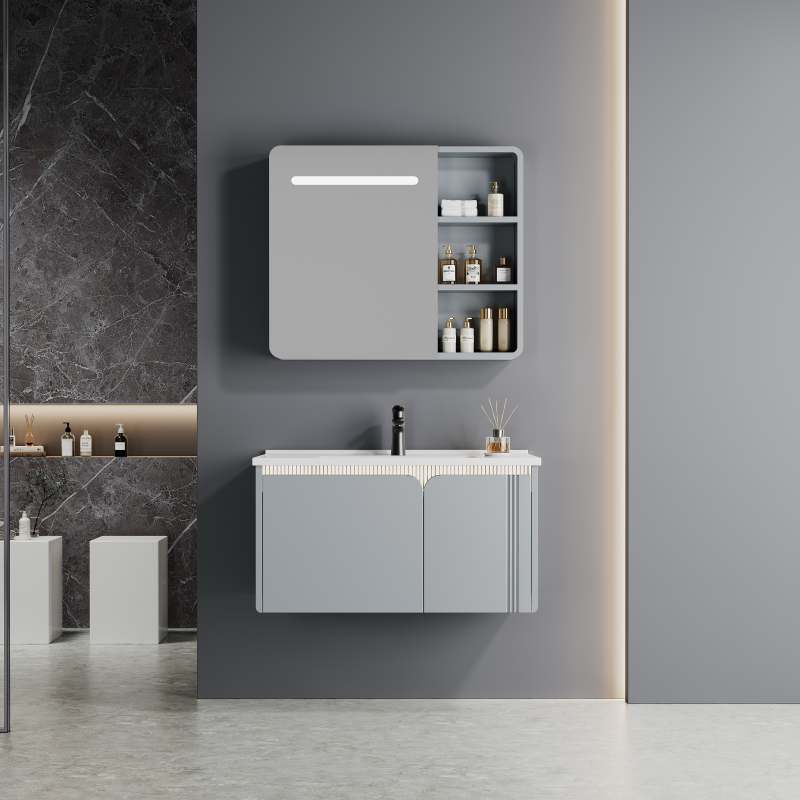
Quel matériau convient le mieux à chaque type de projet ?
Forte de 10 ans d'expérience dans le domaine des équipements sanitaires, SEGA apporte son expertise professionnelle dans le choix des matériaux pour les meubles de salle de bains, en fonction des différentes utilisations prévues.
Projets hôteliers
Dans le domaine des équipements de salle de bains pour hôtels, les meubles-lavabos en acier inoxydable offrent souvent le meilleur compromis entre durabilité, esthétique et facilité d'entretien. Parmi leurs avantages, on peut citer une durée de vie prolongée, des coûts d'entretien réduits, de meilleures performances en cas d'utilisation fréquente et une satisfaction accrue des clients.
Programmes immobiliers résidentiels
Pour les promoteurs immobiliers, cette décision dépend souvent du positionnement du projet.
- Les projets destinés au marché intermédiaire peuvent tirer parti du rapport qualité-prix avantageux des meubles de salle de bains en contreplaqué.
- Les programmes immobiliers résidentiels haut de gamme peuvent voir leur valeur s'apprécier davantage à long terme grâce à des solutions en acier inoxydable.
Bâtiments commerciaux
Les projets de salles de bains à usage commercial accordent généralement la priorité à la durabilité et à l'efficacité opérationnelle. Les meubles de salle de bains en acier inoxydable offrent des performances exceptionnelles dans les immeubles de bureaux, les centres commerciaux, les aéroports, les établissements scolaires et les établissements de santé.
Comment les acheteurs en gros spécialisés dans les projets de salle de bains peuvent-ils prendre la bonne décision ?
Lorsqu'elles évaluent les fournisseurs de meubles de salle de bains, les équipes chargées des achats doivent tenir compte des éléments suivants :
- Environnement du projet: Le meuble-lavabo sera-t-il exposé à une forte humidité ou à une utilisation fréquente ?
- Durée de vie prévue: Combien de temps le produit devrait-il rester en état de marche sans nécessiter de réparations importantes ni de remplacement ?
- Budget d'entretien: Le projet permet-il de répondre aux besoins de maintenance à long terme ?
- Positionnement de marque: Ce produit est-il destiné au marché économique, au milieu de gamme ou au haut de gamme ?
Répondre à ces questions permet souvent de clarifier considérablement le choix du matériau.
Comment le fabricant SEGA accompagne-t-il les projets internationaux d'ameublement de salle de bains ?
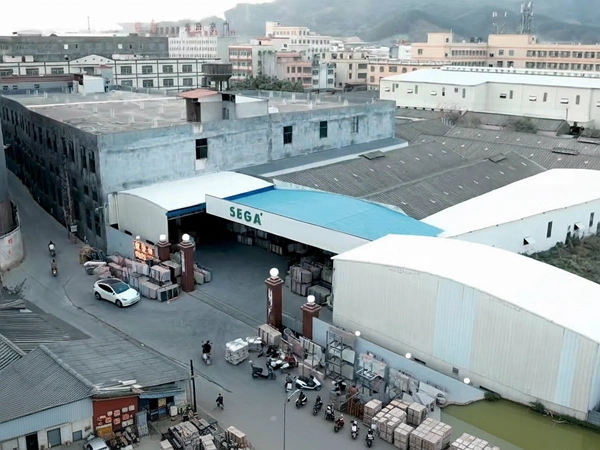
En tant que SEGA, fabricant et fournisseur professionnel d'équipements sanitaires propose des solutions d'ameublement de salle de bains conçues pour répondre aux besoins des distributeurs, promoteurs, entrepreneurs et acheteurs de projets du monde entier.
Les compétences de SEGA comprennent :
- Meubles de salle de bains en acier inoxydable en gros
- Meubles de salle de bains sur mesure en contreplaqué
- Solution d'armoire de salle de bains en matériaux mixtes
- Personnalisation OEM et ODM
- Développement de produits sur mesure, notamment des miroirs, des toilettes, etc.
- Solutions complètes pour la salle de bains destinées à différents marchés
- Production en série d'équipements sanitaires et soutien à l'exportation à l'échelle mondiale
Que les clients recherchent des projets hôteliers, des programmes immobiliers résidentiels ou des immeubles commerciaux, SEGA aide les acheteurs à trouver le juste équilibre entre coût, qualité, design et valeur à long terme.
Conclusion
Meuble-lavabo en acier inoxydable ou en contreplaqué : quel matériau offre le meilleur rapport qualité-prix à long terme ? Il n'y a pas de réponse universelle valable pour tous les projets. Meubles de salle de bains en contreplaqué en gros restent un choix judicieux pour les chantiers où le coût est un facteur déterminant et les projets résidentiels où le budget est la priorité absolue. Toutefois, lorsqu'on examine la durabilité, les coûts d'entretien, la résistance à l'humidité et les performances sur l'ensemble du cycle de vie, meubles de salle de bains en acier inoxydable offrir systématiquement une valeur ajoutée plus solide à long terme, notamment pour les hôtels, les projets commerciaux et les programmes immobiliers haut de gamme.
Pour les acheteurs en gros, la stratégie d'approvisionnement la plus efficace ne consiste pas simplement à choisir le prix d'achat le plus bas, mais à sélectionner le matériau qui offre le meilleur rendement global tout au long de la durée de vie du projet. Si vous êtes en train d'évaluer différentes options de meubles de salle de bains pour votre prochain projet, SEGA Nous pouvons vous proposer des recommandations sur mesure, une assistance OEM/ODM ainsi que des solutions complètes pour la salle de bains, adaptées aux spécificités de votre marché et aux exigences de votre projet. N'hésitez pas à contactez notre équipe de professionnels.